Table Of Content

Women with PCOS experience an overproduction of androgens — male hormones, such as testosterone. Also known as androgenetic alopecia, female pattern hair loss is common and can happen at any age. However it is "thought that 40 per cent of women aged 70 or over experience the condition in some form". Spironolactone is a drug used to treat acne that may be effective for menopausal hair loss. For androgenetic alopecia, your healthcare provider may indicate topical medications to help prevent further hair loss. Rogaine (minoxidil) formulations are effective for female and male pattern hair loss.
Causes of temporary hair loss
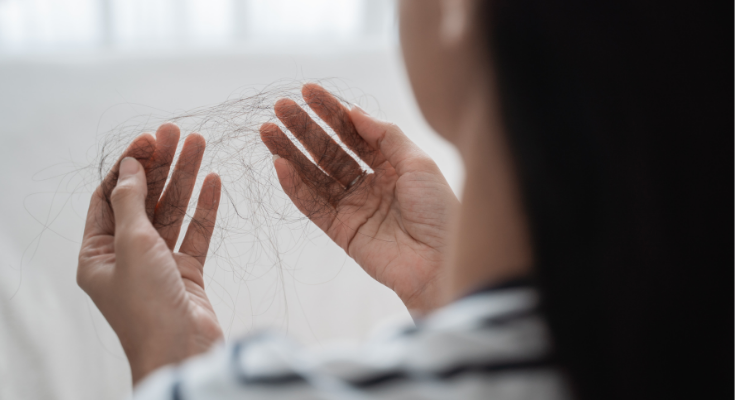
It leads to cysts on a woman’s ovaries, along with other signs and symptoms, which can include hair loss. Stopping some types of birth control pills can cause a temporary hormonal imbalance. Women who develop a hormonal imbalance can develop thinning hair (or hair loss) on their scalp.
How to Handle Major Hair Loss

Avoid hairstyles like tight buns and braids that pull on your scalp, potentially causing traction alopecia. A variety of treatments have been developed to help regrow hair and thicken existing hair on patients with alopecia, dermatologists say. Their effectiveness largely depends upon what type of alopecia you have and how quickly you start treatment.
Empowering women with alopecia - Spectrum News
Empowering women with alopecia.
Posted: Wed, 28 Jun 2023 07:00:00 GMT [source]
Hair thinning treatments and home remedies
One example is alopecia areata, which is an autoimmune disorder where your immune system attacks hair follicles, causing thinning hair and sudden hair loss. Depending on the severity, hair loss may be mild or patchy, or more significant. While hair thinning might not always lead to visible baldness, it can still significantly impact the overall look and feel of the hair. Both hair loss and hair thinning can be influenced by various factors, including genetics, hormonal changes, medical conditions, and lifestyle factors. Not all researchers agree that spironolactone works, and the FDA has not endorsed it as a treatment for androgenic alopecia. However, the medication has still been used off-label for years to treat hair loss in women.
More studies are needed to find out who is most likely to benefit from this treatment and whether these devices cause long-term side effects. To use minoxidil, you apply it to the scalp as directed, usually once or twice a day. These dermatologists' tips tell you how to protect your skin. Proteins, fats, and certain vitamins and minerals are important for hair health.
You should also talk with your doctor if you’re worried about persistent hair loss or a receding hairline or if you notice sudden patchy hair loss. Patches of hair loss could signify an underlying medical condition. Corticosteroids are prescription treatments used for conditions linked to underlying inflammation.
Genetics plays a significant role in hair thinning, particularly in conditions like androgenetic alopecia (pattern baldness). This type of hair loss is often hereditary and can affect both men and women. Androgenetic alopecia, or female pattern hair loss, is the most common cause of thinning hair in women worldwide, per the American Academy of Dermatology (AAD). Androgenetic alopecia, a type of hair loss commonly called male or female pattern baldness, was only partially understood until the last few decades. But while testosterone is at the core of the balding process, dihydrotestosterone (DHT) is now thought to be the main culprit. Topical minoxidil is one of the best hair loss treatments for women, particularly those who have female pattern hair loss.
The research on microneedling for hair regrowth focuses on androgenetic alopecia. A 2020 review of studies found microneedling shows promise for increasing hair density, thickness, and quality of hair. Combining microneedling with topical minoxidil is recommended for best results.
“Over time, the constant pulling damages the hair follicles, leading to thinning or bald patches, especially around the hairline or where the hair is pulled tightly. “Women with androgenetic alopecia will usually experience gradual thinning of the hair, typically on the top of the scalp and some women notice their hairline receding,” she said. The journey to overcoming female balding can be transformative, encouraging women to take control of their health and appearance with confidence and resilience. Remember, managing hair health, despite being complex, is entirely possible with the right strategies and support.
Perhaps the cheapest method of trying to get thicker hair is scalp massage. It doesn’t cost anything, and if done correctly, it isn’t harmful. By Sarah Jividen, RNJividen is a freelance healthcare journalist. She has over a decade of direct patient care experience working as a registered nurse specializing in neurotrauma, stroke, and the emergency room. TE is typically reversible and often resolves 6–8 months after your body readjusts or the trigger is gone. Minoxidil may irritate your scalp and cause dryness, scaling, itching and/or redness.
If finasteride works for you, you will need to keep taking it to continue getting results. Before taking this medication, be sure to discuss possible side effects with your dermatologist. Within the first few months of treatment, you may notice that you are losing less or minimal amounts of hair. At-home treatments offer convenience, and you can buy many of them without a prescription.
Otherwise known as Aldactone, spironolactone works to treat hair loss by acting on hormones. Specifically, it binds to androgen receptors and decreases the body’s processing of testosterone. Another cause of hair loss is called telogen effluvium (TE), which is typically temporary. According to the American Academy of Dermatology (AAD), TE isn’t actually defined as “hair loss,” but rather as excessive hair shedding. Androgenetic alopecia can occur at any age after puberty, but it’s most common in postmenopausal women.
Sometimes, inflammatory conditions can cause a variety of symptoms, including hair loss. That means there is likely also a hormonal component to the condition. This may be partly to blame for the hair follicles shrinking.
This can cause extra hair to sprout on your face and body while the hair on your head thins out. PCOS can also lead to ovulation problems, acne, and weight gain. This man took finasteride to treat his male pattern hair loss, and within 1 year (B), he had noticeable improvement. This is considered the most effective treatment for people who have a few patches of alopecia areata, a condition that causes hair loss. In one study of 127 patients with patchy alopecia areata, more than 80% who were treated with these injections had at least half of their hair regrow within 12 weeks.
This simple action is at the root of many kinds of hair loss. During a hair transplant procedure, a dermatologist or cosmetic surgeon removes hair from a part of the head that has hair and transplants it to a bald spot. Each patch of hair has one to several hairs (micrografts and minigrafts). Sometimes a larger strip of skin containing multiple hair groupings is taken. This procedure doesn't require hospitalization, but it is painful so you'll be given a sedation medicine to ease any discomfort. Possible risks include bleeding, bruising, swelling and infection.



No comments:
Post a Comment